

Supply chain risk designation is gaining attention in global technology policy discussions. Raja Luck provides key insights to help readers understand its impact on technology partnerships and regulations. Continue reading for the latest updates with us right now!
Key developments surrounding supply chain risk designation
The phrase has gained global attention after recent legal actions involving major artificial intelligence developers. Analysts describe the move as a regulatory classification meant to prevent sensitive technology from entering certain government environments. The following points outline the key developments for readers seeking clarity.
- Governments sometimes issue security classifications when agencies believe a technology provider could affect critical infrastructure operations. These measures aim to protect national digital systems from vulnerabilities during procurement processes. Such decisions can impact contracts worth more than 25,000,000 INR.
- Regulatory bodies review software architecture, ownership background, supply routes, and operational control before applying the label. Security teams assess whether technology products may expose networks handling confidential information. Procurement departments may pause agreements exceeding 10,000,000 INR after such guidance appears.
- Industry leaders argue that the designation can influence long-term innovation partnerships across research labs, manufacturing groups, and enterprise service providers. When one provider receives the label, commercial partners sometimes reconsider projects valued above 15,000,000 INR. Policy experts therefore review each classification carefully to ensure transparent justification.

Understanding regulatory impact on technology markets
Policy developments in advanced technology sectors often influence investment patterns, procurement frameworks, and corporate strategy. Government actions can affect research funding, enterprise partnerships, and cross-border development projects. Continue reading to explore how regulatory classification affects technology ecosystems and operational planning.
Legal dispute highlights behind the designation debate
Recent legal filings revealed details about disagreements between technology developers and federal authorities regarding operational restrictions placed on artificial intelligence tools. Reports indicate that potential contracts valued around 30,000,000 INR became uncertain once discussions about the supply chain risk designation appeared in government procurement notices. The dispute illustrates how regulatory classification can rapidly reshape negotiations, contract timelines, as well as future collaboration among technology providers.
Supply chain risk designation impact on procurement
When organizations encounter this designation, procurement officers must evaluate existing agreements, licensing frameworks, plus operational dependencies linked to software deployment. Internal reviews may examine contracts exceeding 12,000,000 INR to determine whether alternative providers are necessary. Strategic planning teams often adjust timelines, vendor selection processes, plus compliance audits to maintain continuity across infrastructure systems supporting enterprise workloads.
See more: Nexperia Dispute Raises New Global Chip Supply Risks
Technology governance considerations for future partnerships
Technology governance specialists increasingly analyze whether policy labels influence innovation ecosystems across academic institutions, startups, enterprise labs, plus government research facilities. In several reports, analysts estimate that delayed partnerships related to the supply chain risk designation could redirect projects valued above 40,000,000 INR toward alternative research networks. These adjustments reshape development timelines for advanced computing systems, especially those connected to machine learning infrastructure.
Operational strategies after designation
Organizations facing policy uncertainty must reassess security frameworks, vendor relationships, and long-term technology planning. Strategic response often includes compliance reviews, infrastructure audits, and revised procurement models. The following sections outline approaches companies use when regulatory classification influences operational decisions.
Supply chain risk designation and compliance planning
Compliance teams typically begin by reviewing procurement documentation, operational guidelines, plus regulatory notifications once the designation appears in government directives. Legal advisors often conduct risk analysis on contracts exceeding 20,000,000 INR to determine whether existing infrastructure deployments remain acceptable under current regulations. These evaluations guide executive decisions about vendor diversification, contract renegotiation, and policy alignment.
Risk assessment models used by technology enterprises
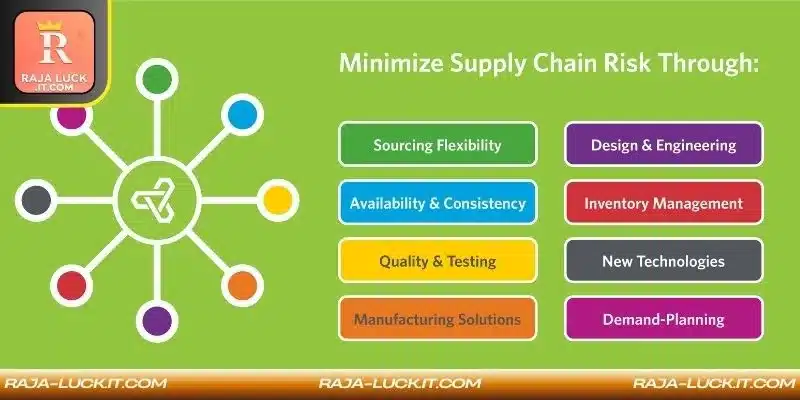
Corporate security departments frequently implement multi-layered assessment frameworks to understand operational implications tied to policy labels. In several internal reviews, analysts estimated that infrastructure modifications might cost more than 18,000,000 INR when enterprise platforms require replacement or redesign. Detailed audits help identify which systems require updates, allowing companies to maintain stable operations while adapting to policy requirements.
Supply chain risk designation and vendor relationship shifts
Vendor partnerships often change once a regulatory classification influences procurement eligibility within government agencies or affiliated contractors. In one market analysis, advisory groups estimated that technology agreements worth nearly 35,000,000 INR could be renegotiated after related announcements. Strategic planners therefore prioritize communication with partners to clarify expectations, ensure contract compliance, and avoid operational disruption.
Industry response to evolving technology policy debates
Industry associations frequently publish policy statements explaining their perspective on regulatory frameworks shaping artificial intelligence deployment. Several research organizations estimate that projects valued at roughly 22,000,000 INR may require revised oversight procedures due to implications linked with the supply chain risk designation. These discussions help businesses understand evolving expectations surrounding technology governance, procurement oversight, and security compliance.
Practical insights readers should consider today
Technology regulation often evolves alongside rapid advances in artificial intelligence, cloud computing, and digital infrastructure. Policy labels can influence how organizations select partners, evaluate risk exposure, and structure research collaborations. Continue reading to review practical insights that help readers interpret the broader implications of regulatory classifications.
Evaluating risk signals in government procurement guidance
Procurement notices released by regulatory agencies often provide early indicators about security concerns related to emerging technologies. In some cases, agencies issue preliminary warnings before implementing the supply chain risk designation, prompting organizations to reassess contracts valued around 16,000,000 INR. Observing these signals allows businesses to adjust procurement strategies before formal policy measures influence infrastructure planning.
Monitoring partnerships during regulatory shifts
Technology ecosystems depend heavily on partnerships between research institutions, software developers, plus enterprise service providers. Market observers report that projects exceeding 28,000,000 INR sometimes shift direction when a vendor receives a regulatory classification affecting procurement eligibility. Monitoring collaboration trends helps readers understand how such decisions influence broader industry relationships across advanced computing sectors.
Strategic planning for long-term technology resilience
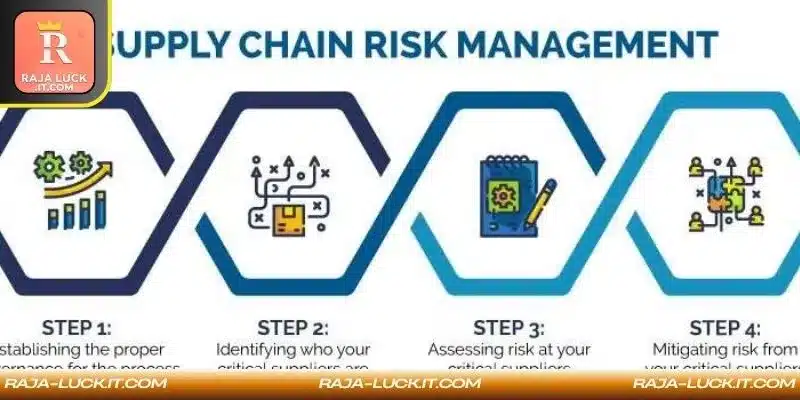
Organizations planning multi-year infrastructure investments often integrate regulatory monitoring into risk management frameworks. Strategic planners analyze how classifications like the supply chain risk designation might influence vendor reliability, compliance obligations, plus procurement approvals across projects exceeding 50,000,000 INR. Long-term planning therefore combines security analysis, policy awareness, and vendor diversification to maintain stable digital infrastructure.
Conclusion
Supply chain risk designation continues to influence technology governance and procurement strategies in many sectors. Raja Luck will keep readers updated on important developments and policy changes. Staying informed helps organizations prepare for future market adjustments.
