

Project Cheetah India is attracting strong attention in recent conservation discussions. Raja Luck shares informative updates to help readers understand the program’s progress. Continue reading to discover the latest developments surrounding this wildlife restoration effort.
Project Cheetah India latest conservation update
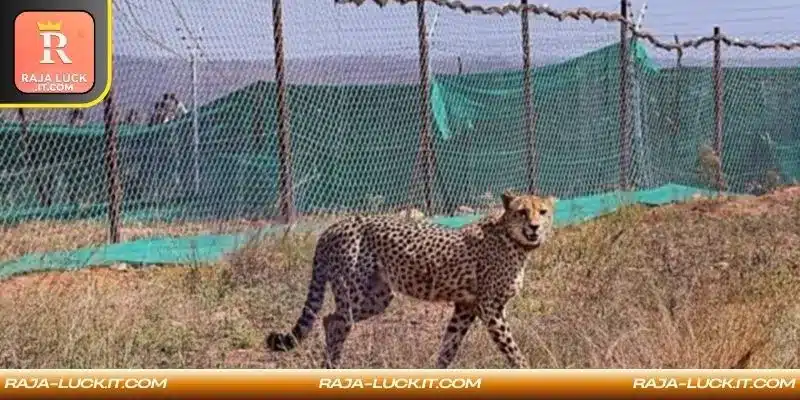
The program launched as a national effort aimed at restoring cheetah populations after the species disappeared from local landscapes decades ago. The initiative attracted international attention once the first group of eight animals arrived from Namibia during 2022. Wildlife experts observed the animals within protected habitats, measuring adaptation patterns through regular field monitoring.
Authorities introduced multiple safety measures intended to ensure ecological balance. Protected grassland zones expanded across thousands of hectares, allowing cheetahs to move naturally inside designated conservation regions. Early reports mentioned food chain restoration goals because predators influence prey distribution within fragile ecosystems.
The initiative generated strong discussion among researchers. Some conservation scientists praised the ambition behind Project Cheetah India, while others highlighted practical challenges such as climate adaptation, predator competition, habitat pressure, and human settlement expansion near protected zones.
Several notable aspects of the program are outlined below:
- Initial relocation included 8 cheetahs in 2022 from Namibia.
- A second group of 12 animals arrived later from South Africa.
- Monitoring teams track each animal through satellite collars.
- Wildlife funding for habitat preparation crossed INR 910000000 across different planning phases.
- Authorities aim to establish several breeding populations across suitable landscapes.

Key operational steps shaping conservation progress
Understanding the structure behind the program helps readers evaluate how authorities manage wildlife relocation. The following sections explain the process clearly through recent data and verified observations. Continue reading to explore practical procedures applied inside conservation zones.
Habitat preparation before animal relocation
Before relocation began, conservation teams spent nearly five years preparing habitats inside Kuno National Park. The region covers roughly 748 square kilometers, creating space suitable for large carnivores that require wide hunting territories. Officials relocated more than 20 villages from surrounding areas during previous habitat restoration projects to reduce human interference inside protected landscapes.
Scientific advisors noted that ecosystem stability plays a crucial role in Project Cheetah India. Prey populations such as chital, nilgai, and wild boar increased gradually after habitat protection programs strengthened. Field surveys estimated over 15000 prey animals within monitored zones, offering a stable food source for large predators introduced during the conservation program.
Project Cheetah India habitat monitoring system
Tracking technology became a central tool used during the program. Each cheetah received a satellite collar capable of sending location signals every four hours, allowing wildlife researchers to observe movement patterns without disturbing natural behavior. Monitoring teams stationed inside forest ranges analyze these signals daily to ensure animals remain healthy.
The monitoring network includes veterinary staff, forest officers, and trained trackers who patrol specific regions within protected boundaries. According to recent wildlife reports, teams conduct more than 30 field inspections per week across observation zones. Such tracking allows conservation authorities to detect injuries, illness, or territory conflicts quickly.
See more: HALEU Thorium Fuel India Study Raises Reactor Debate
Wildlife management strategy after release
Once cheetahs enter open landscapes, management teams implement structured observation routines. Rangers document hunting patterns, rest cycles, migration routes, and social interaction among relocated animals. These reports help scientists evaluate whether climate conditions support long-term survival within Indian grasslands.
Field observations recorded that cheetahs traveled distances ranging between 15 to 30 kilometers per day during early exploration stages. This movement pattern aligns with typical cheetah behavior observed across African savanna ecosystems. Researchers studying Project Cheetah India continue collecting long-term data that will determine the success of the relocation program.

Scientific concerns and ecological debate
Many wildlife experts support restoration goals but also discuss practical risks linked to relocation. The following section explores major concerns raised by researchers analyzing the program. Continue reading to gain a deeper understanding of the scientific debate surrounding this conservation initiative.
Project Cheetah India research concerns raised by scientists
Several wildlife scientists expressed concern about long-term sustainability. Research published by conservation specialists indicates that cheetahs require vast territories reaching 2000 square kilometers for stable breeding populations. Current protected landscapes inside central India provide smaller ranges, which may influence survival rates.
Another challenge involves climate differences between African savanna environments and central Indian grasslands. Temperature fluctuations combined with seasonal rainfall patterns may affect hunting success and physical adaptation. Some field biologists argue that the relocation program may require continuous introduction of new animals if reproduction rates remain limited.
Mortality cases and environmental pressures
A number of cheetah deaths reported during the first operational phase increased scientific attention. Wildlife health reports documented that several animals experienced infections caused by humidity interacting with tracking collars during monsoon months. Veterinary teams later adjusted collar designs to improve airflow around the neck area.
Forest officials responded by introducing updated health monitoring protocols. Veterinary specialists now conduct examinations every 10 to 15 days when cheetahs remain within observation enclosures. These precautionary measures aim to reduce medical complications while researchers continue evaluating environmental adaptation across protected habitats.
Project Cheetah India long-term ecological balance
Conservation planners believe long-term success depends on ecosystem stability rather than short-term population growth. Grassland restoration programs now focus on increasing prey diversity across multiple reserves. Authorities are studying at least 5 additional wildlife zones that may host future cheetah populations if habitat conditions meet scientific recommendations.
Experts also examine interactions between cheetahs, leopards, wolves, and hyenas that share overlapping territories. Predator competition influences survival rates in complex ecosystems where multiple carnivores coexist. Ongoing ecological analysis connected to Project Cheetah India aims to determine whether balanced coexistence can develop across protected landscapes.
Economic investment supporting conservation management
Large wildlife projects require extensive financial resources. Government records show that conservation preparation, habitat restoration, monitoring equipment, and research programs required funding exceeding INR 910000000 across different stages of development. Financial investment supports forest infrastructure, ranger training, research studies, and relocation logistics.
Conservation authorities emphasize that wildlife restoration produces long-term ecological benefits. Healthy predator populations help regulate prey numbers, protecting grassland vegetation that supports smaller species. Environmental economists studying Project Cheetah India suggest that ecosystem stability may provide ecological value beyond direct financial calculations.
Conclusion
Project Cheetah India continues to shape discussions about wildlife recovery. Raja Luck provides updates that help readers follow new developments. The program’s future depends on ongoing research and habitat management.
