

Anthropic Pentagon dispute is drawing strong global attention across technology discussions. Raja Luck brings readers a quick overview of the latest developments surrounding this issue. The report explains the background, reactions, and potential policy impact linked to the conflict.
Anthropic Pentagon dispute timeline and major developments
The disagreement began after conflict over how artificial intelligence could support defense operations. Officials raised concerns regarding restrictions placed on certain technical capabilities. Analysts explained that the disagreement reflects broader questions surrounding technology governance. Industry observers continue monitoring how government authorities respond during the next stage of negotiations.
Reports state the issue gained international attention after a policy label identified the company as a supply-chain concern. Such classification usually appears in national security reviews affecting defense contractors. Experts say the decision triggered significant legal resistance from the firm involved. Public discussion expanded across policy forums examining technology independence.
The situation also triggered reactions across research institutions studying advanced computing systems. Scholars highlighted the importance of ethical rules guiding artificial intelligence development. Several analysts estimate that potential financial implications may exceed INR 41000000000 if cooperation with defense programs stops. Debate now continues within political circles assessing the relationship between innovation leadership and national security priorities.
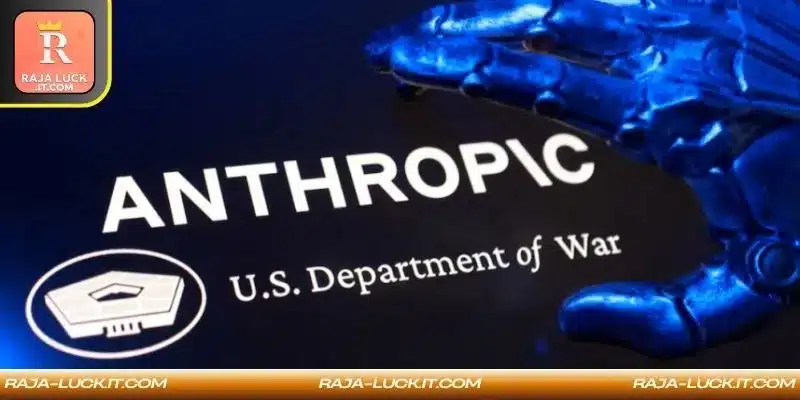
Understanding the background behind the conflict
Before exploring deeper implications, readers should review several factors shaping this story. Each development helps clarify why the disagreement quickly attracted global attention among technology experts and policy analysts. Understanding the background allows readers to see how decisions by both sides influenced the current situation. Continue reading to examine important details reported by analysts and researchers.
Policy limits proposed by the AI company
The technology firm previously introduced guidelines restricting artificial intelligence usage within military operations. Officials reviewing the Anthropic Pentagon dispute explained that certain conditions limited deployment related to autonomous targeting systems. Analysts estimated that research investment within these systems already exceeds INR 82000000000 across multiple programs. These restrictions created disagreement among defense planners seeking broader technical flexibility.
Anthropic Pentagon dispute and supply chain concerns
Authorities reviewing the situation expressed concern regarding reliability within strategic supply chains. Defense officials argued that technology providers supporting security operations must comply with procurement expectations. One internal review estimated that replacing certain AI systems across existing programs could cost nearly INR 12000000000 during transition planning. The decision intensified debate across technology sectors evaluating long-term defense cooperation models.
See more: Pentagon Anthropic Autonomous Warfare Dispute Raises Debate
Legal response and courtroom preparation
The organization involved reacted strongly once policy restrictions affected commercial cooperation with federal agencies. Legal representatives stated that the Anthropic Pentagon dispute raises questions regarding constitutional protections linked to corporate speech. Analysts estimate that potential contract losses connected with suspended partnerships may reach INR 410000000000 if restrictions remain unchanged. The dispute now moves toward extended judicial examination.
Key issues shaping the ongoing dispute
Understanding the wider implications requires examining strategic questions raised during ongoing policy discussions. Several important topics now influence international technology governance and future cooperation between public institutions and technology developers. Experts continue analyzing how these debates may shape regulations in the coming years. Continue reading for a clearer overview of the main points being discussed.
Anthropic Pentagon dispute and debates over AI ethics
Researchers examining the situation emphasize ethical considerations guiding advanced machine intelligence. Academic panels explained that autonomous systems require human oversight to prevent unpredictable outcomes. A recent study valued defense-related AI development worldwide at nearly INR 1650000000000 during 2025 alone. Ethical frameworks therefore play a crucial role within international policy debates.

Industry reaction from technology leaders
Executives across multiple technology companies commented publicly regarding the developing situation. Several industry figures explained that the dispute illustrates tensions between innovation control and government security expectations. Market researchers estimate that private sector investment in generative AI surpassed INR 2500000000000 during the previous year. Such investment increases pressure for clearer policy direction.
Anthropic Pentagon dispute impact on defense partnerships
The situation may influence how future defense partnerships form across the technology industry. Procurement specialists suggest that government agencies may expand internal research programs to reduce reliance on external developers. Experts estimate that restructuring certain AI development contracts could involve expenditures approaching INR 95000000000. Long-term cooperation models may therefore change significantly.
International observers evaluating policy implications
Policy experts from Europe, Asia, and North America continue evaluating the broader meaning of the Anthropic Pentagon dispute. Diplomatic research groups argue that regulation of artificial intelligence could influence global security relationships. One international policy report projected that global AI governance initiatives might attract funding exceeding INR 300000000000 within the next decade. The dispute therefore receives close international attention.
What readers should monitor as the story evolves
This issue continues developing as legal reviews and political discussions move forward. Understanding the possible outcomes helps readers follow the broader technology landscape. Continue exploring the following insights.
Corporate independence versus government authority
Legal scholars analyzing the Anthropic Pentagon dispute note that the central issue involves authority over technology usage decisions. Private companies often define internal guidelines controlling how their systems operate. However, defense agencies emphasize the need for dependable partners within security operations. Analysts estimate that AI-related defense contracts currently exceed INR 540000000000 globally.
Policy frameworks shaping future AI development
Governments worldwide are drafting policy structures addressing artificial intelligence deployment. Experts reviewing regulatory proposals believe that the Anthropic Pentagon dispute may influence how future legislation defines responsible AI usage. International working groups expect regulatory investment to surpass INR 88000000000 during the next five years. These frameworks may determine how companies collaborate with public institutions.

Technology-Driven strategic rivalry
Another factor emerging from discussion involves competition between major technology powers. Analysts state that artificial intelligence represents a critical strategic resource within modern economies. Several policy institutes estimate that global AI industry revenue may approach INR 8300000000000 before 2030. Strategic decisions connected with technology partnerships therefore attract intense scrutiny.
Conclusion
Anthropic Pentagon dispute continues to influence debates about technology policy and artificial intelligence governance. Raja Luck provides updates so readers can follow important developments connected with this case. Future decisions may shape how advanced technology works with government institutions.
