

Nexperia dispute is drawing strong attention across technology sectors as semiconductor tensions grow. Raja Luck shares updates helping readers understand how this conflict may influence global chip supply signals. Continue reading to explore key developments shaping the current market outlook.
Nexperia dispute and the semiconductor supply chain reaction
Global semiconductor production has entered a sensitive period after the Nexperia dispute resurfaced within international policy discussions. Analysts observe rising concern among manufacturers relying on steady chip delivery. Production planning across electronics manufacturing now requires careful adjustment due to regulatory shifts affecting cross-border technology operations.
Reports indicate that disagreements surrounding ownership structure, operational authority, plus production control triggered the latest escalation. Several technology firms rely heavily on discrete semiconductor components produced through facilities linked to the dispute. Market observers believe supply interruptions could influence equipment manufacturing schedules across several sectors.
Industry estimates suggest supply uncertainty could influence semiconductor contracts worth nearly 450 billion INR during the next fiscal cycle. Large manufacturing companies often prepare contingency plans whenever disputes threaten supply reliability. Strategic planning therefore remains essential for firms seeking stable chip availability during rapidly changing geopolitical conditions.

Market background shaping semiconductor tensions
Understanding the background behind recent developments helps readers interpret current market reactions. Semiconductor manufacturing involves large investments, complicated ownership structures, plus government oversight. Continue reading to see how analysts interpret the situation.
Ownership transitions shaping semiconductor decisions
A major factor behind the current situation involves corporate ownership transitions following investment restructuring over recent years. Industry observers report that acquisition deals exceeding 300 billion INR changed strategic control across several semiconductor facilities. These developments raised regulatory questions among European authorities, while Chinese partners emphasized manufacturing continuity because production plants supply more than 20 billion semiconductor units annually to automotive producers, power equipment suppliers, and consumer electronics manufacturers worldwide.
Nexperia dispute timeline and corporate restructuring stages
Corporate restructuring discussions developed gradually across several regulatory reviews during recent years. Analysts report that review procedures involved multiple government agencies evaluating technology transfer concerns. Corporate leadership also examined potential investment plans exceeding 120 billion INR aimed at upgrading fabrication equipment across several semiconductor manufacturing facilities serving automotive electronics sectors.
See more: Grok AI Offensive Posts Spark Debate About AI Safety Risks
Manufacturing scale and output pressure
Industry analysts examining the Nexperia dispute emphasize production capacity as a central concern because semiconductor factories linked to the issue produce roughly 90 billion discrete components each year, supporting electric vehicles, industrial power devices, computing hardware manufacturers, while logistics networks coordinate shipments exceeding 50 billion INR monthly to maintain supply stability for assembly plants operating across Europe plus Asia.
Technology industry reactions and market signals
Technology companies follow semiconductor developments closely because production delays can influence electronics availability worldwide. Corporate planners monitor policy statements from regulators, manufacturing partners, plus technology investors. The following sections explain how companies interpret recent developments.
Nexperia dispute impact on automotive semiconductor demand
Automotive manufacturers monitor semiconductor developments closely because modern vehicles depend heavily on electronic components controlling battery management systems, safety sensors, and steering technology. Analysts estimate that a single electric vehicle may contain semiconductor parts valued above 45,000 INR. Global automobile production exceeds 80 million units annually, creating strong demand pressure whenever chip supply uncertainty emerges across major producers.
Market investors evaluating supply stability signals
Financial analysts review supply chain indicators, manufacturing capacity reports, along with corporate statements released by semiconductor producers. Investment research groups estimate that the semiconductor market value may exceed 950 billion INR within several years. Even moderate disruptions could influence pricing expectations, procurement contracts, and strategic sourcing decisions made by electronics manufacturers seeking stable component availability.
Nexperia dispute regulatory pressure shaping chip trade
Government regulators are evaluating technology transfer risks, intellectual property protection, along with manufacturing independence policies that influence semiconductor trade flows. Experts indicate global semiconductor investment already exceeds 600 billion INR annually across research laboratories, fabrication plants, and advanced packaging facilities. Many governments are introducing industrial strategies aimed at strengthening domestic chip production reliability and securing long-term supply stability.
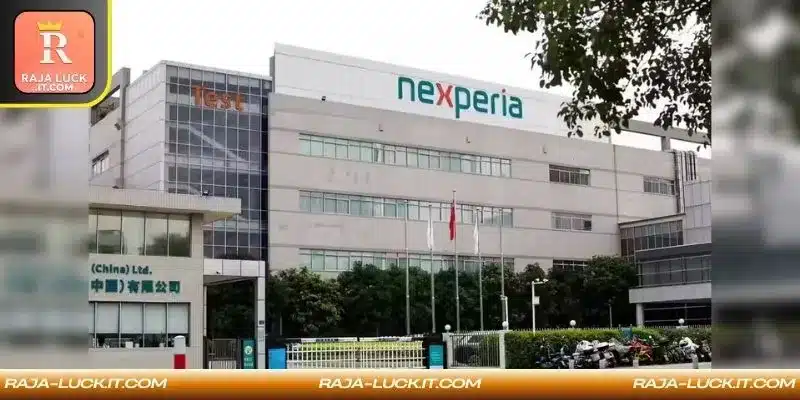
Corporate communication strategies during industry tension
Corporate communication teams address the Nexperia dispute carefully because public statements influence investor confidence, supply agreements, manufacturing relationships among global electronics producers. Reports suggest several companies have scheduled internal planning meetings involving procurement departments managing semiconductor purchases worth more than 200 billion INR annually, ensuring alternative sourcing strategies remain available if production constraints intensify.
What readers should understand about future developments
Semiconductor supply chains remain complex because production involves multiple countries, specialized equipment suppliers, and extensive investment commitments. Industry observers expect continued discussion surrounding ownership policies influencing technology manufacturing. The following insights highlight potential developments worth monitoring.
Approaches to increase manufacturing output
Industry strategists monitoring the Nexperia dispute note that semiconductor companies frequently respond to uncertainty through capacity expansion programs involving fabrication plants valued above 500 billion INR, while equipment upgrades increase wafer processing efficiency by nearly 15 percent per production cycle, helping maintain component availability for electronics manufacturers even during periods when geopolitical factors create temporary supply pressure.
Supply network expansion and diversification
Manufacturers evaluating long-term strategy emphasize supply diversification rather than reliance on a single production hub. Electronics companies sometimes maintain contracts across five semiconductor providers producing components valued above 60 billion INR annually, ensuring stable access to transistors, power devices, integrated circuits required for laptops, vehicles, industrial automation equipment operating in competitive global markets.

Policy discussions shaping semiconductor investments
Policy discussions surrounding semiconductor sovereignty influence long-term investment strategies because governments aim to support domestic technology manufacturing capacity. Industry reports indicate national technology programs worth nearly 700 billion INR already support chip fabrication expansion, research laboratories, advanced packaging facilities designed to strengthen supply chain resilience during periods of international regulatory disagreement.
Future semiconductor pricing signals for global industries
Market analysts suggest semiconductor pricing trends may shift as the Nexperia dispute continues to raise supply uncertainty across major manufacturing networks. Reports indicate that global chip demand supports electronics production worth more than 1 trillion INR annually. Researchers also estimate that a supply imbalance of around 5 percent could influence contract pricing across automotive electronics, industrial equipment manufacturing, and consumer technology sectors.
Conclusion
Nexperia dispute continues influencing semiconductor discussions as companies evaluate supply stability. Raja Luck highlights the importance of following industry updates related to production policies and technology trade. Staying informed helps readers better understand the future semiconductor market direction.
